Best Spots for Whale Watching Off Moreton Bay This Season
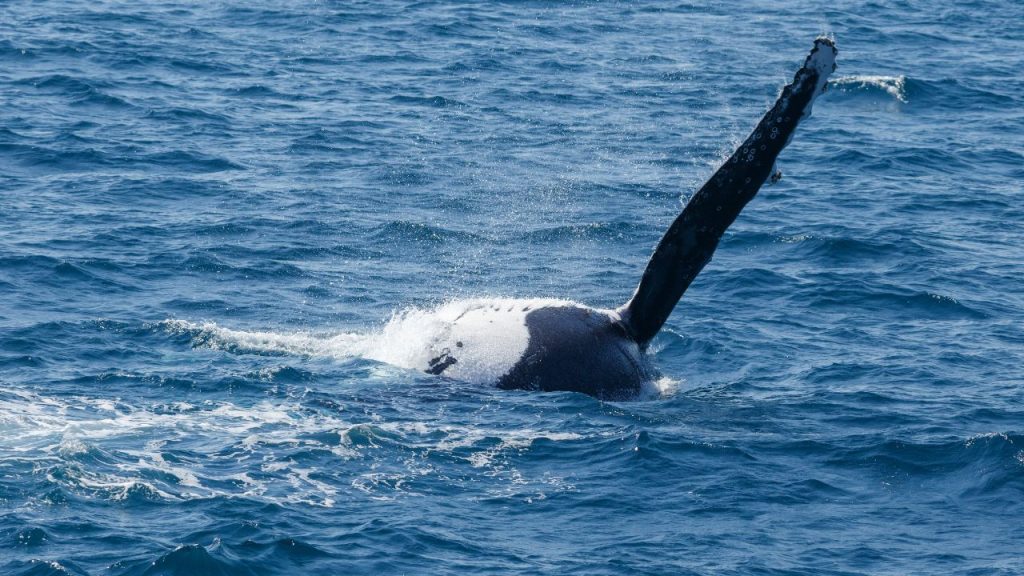
Stand on the boardwalk at Point Lookout around 7am and you’ll see them before you hear anyone else talking about it. A dark shape breaks the surface, dips, and a second later there’s a spray of white water hanging in the air longer than it should. That’s a humpback, and right now Moreton Bay is full of them.
The migration runs roughly June through November, with whales travelling close to 5,000 kilometres from Antarctic feeding grounds up along the Queensland coast and back again. By late September, the northward rush is over and what you’re seeing now is the return leg, mums moving south with calves that were born over winter. They’re in less of a hurry this time of year, which honestly makes for better watching. Slower whales stay closer to the coast and spend more time near the surface, teaching calves to breach and slap their tails, so this is arguably the best stretch of the whole season if you’re after a proper look rather than a distant blow of spray.
Point Lookout on North Stradbroke Island, or Minjerribah as it’s known to the Quandamooka people, is where most locals will tell you to start. The Minjerribah Panorama Coastal Walk has a couple of dedicated whale watching platforms looking out over Frenchmans Beach, and you don’t need a boat, a booking, or even much luck. Just turn up early, bring a coffee, and give it twenty minutes. The walk connects through to the Gorge Walk at the southern end, so if the whales are having a quiet morning you’ve still got cliffs, blowholes, and a decent chance of spotting turtles or manta rays in the same stretch of water. There are picnic tables scattered along the track too, which makes it an easy one to turn into a half day rather than a quick stop.
“You get people who’ve lived here their whole lives still stopping dead when a whale breaches close to the platform,” says local Stradbroke ferry operator Dale Hutchins. “I’ve had blokes on the boat who’ve fished this bay for thirty years and they still grab their phone every single time. It doesn’t get old.”
If you’d rather be out on the water than watching from land, Tangalooma is the obvious call. The resort has been running cruises out of Moreton Bay since 1987, departing from Holt Street at Pinkenba, and the boats go out for around three hours with an eco ranger on board doing commentary. Expect to pay somewhere between $145 and $200 for an adult ticket depending on the day and season, with lunch and soft drinks usually thrown in. It’s not the cheapest morning out, but the boats get close enough that you can hear the whales blow, and the ranger commentary is worth it if you want to actually understand what you’re looking at rather than just pointing your camera and hoping.
Redcliffe Jetty is the other departure point worth knowing about, and it tends to fly a bit under the radar compared to the Tangalooma cruises. Tours here run for around four and a half hours and usually include lunch, which makes them a good option if you want a longer day on the bay without driving all the way to Pinkenba. The waters off Woody Point and Scarborough are also worth a look if you’re just driving the peninsula rather than booking a tour, since whales occasionally come in close enough to spot from the foreshore, particularly on calm mornings with no wind chop to hide the blow.
Manly and Wynnum don’t get talked about as much for whale watching, and to be fair, sightings there are hit and miss. But the foreshore boardwalk at Wynnum is flat, free, and an easy stroll with a coffee in hand, so if you’re already in the area it costs nothing to keep half an eye on the water while you’re out for a walk. You’re less likely to see a full breach from here, but a fin slap or a distant blow isn’t unusual on a clear day.
A few practical things worth knowing before you head out. Binoculars make a real difference from land, more than most people expect, since whales can be a long way offshore even when they look close. Mornings tend to be calmer than afternoons, which matters because choppy water makes spotting a blow or a fin much harder. And if you’re booking a boat tour, most operators will tell you straight up that sightings aren’t guaranteed, though Tangalooma has historically had a strong track record through the season, especially this late when calves are moving slower and staying closer to the coast.
Redland City Council has also flagged this stretch of the season as one of the busiest for land based sightings, with more than 40,000 whales estimated to pass through the region across the full migration. That’s a lot of opportunity, and it’s part of why locals treat Point Lookout almost like a seasonal ritual rather than a novelty. If you’ve never made the trip out to Minjerribah before, this is the month to do it. Pack a thermos, get there before the day heats up, and give yourself time to actually stand and watch rather than rushing through.
Whichever spot you pick, the best advice locals give is the simplest one: don’t just glance at the water and move on. Give it a proper stretch of time. Whales surface, disappear, and come back up somewhere you weren’t expecting, and the people who get the best stories are usually the ones who stayed put a little longer than they planned to.