Paddling Season Is Back: Where to Kayak and SUP Around Brisbane Right Now
The river’s gone from murky brown to that deeper green-blue you only see a few months of the year, and that’s usually the first sign. Paddlers notice it before anyone else does. By 7am most weekends now, the car park at Kurilpa Point is already half full, boards strapped to roof racks, wetsuits half zipped, someone’s dog pacing the grass while its owner unloads a kayak.
Warmer mornings mean the water’s finally comfortable enough to get in without flinching, and Brisbane’s paddling crowd knows it. The city sits on a river, backs onto a bay, and has a scatter of lakes and reservoirs within an hour’s drive, so there’s no real excuse once the weather turns. Here’s where locals are actually launching from this spring, not the generic “best of” list you’ll find everywhere else.
Table of Contents
Kurilpa Point and New Farm Park
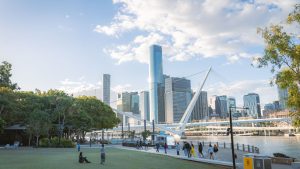
Start in the city if you want flat water and good people watching. The stretch between Kurilpa Point and New Farm Park is sheltered enough for beginners, with CityCat ferries cutting through regularly, so you learn fast to paddle defensively. It’s not wild scenery. What it is, is convenient. Paddle past the Story Bridge at sunrise and you’ll have it mostly to yourself before the ferries pick up and the wake gets annoying.
Mick Doyle runs a small paddleboard hire stand near New Farm and has been renting boards out of the same shed for six years. “People think they need to drive out to the bay for decent paddling,” he said. “Half my regulars just come down before work, do forty minutes, and they’re in the office by nine. You don’t need a big trip for it to be worth doing.”
Manly Harbour and Wynnum Foreshore
Head east and the water opens up properly. Manly Harbour is the easier entry point, protected by the breakwall, and it’s where a lot of people buy their first inflatable kayak and figure out what they’re doing without getting punished for it. Further along, the Wynnum foreshore gives you longer stretches of open bay paddling, with Fisherman Islands and the shipping channel visible in the distance if you want a sense of scale.
Mornings are calmest. By midday the sea breeze picks up off Moreton Bay and turns a lazy paddle into actual work, which some people like and some people very much don’t.
Wellington Point and Victoria Point
This is where the bay starts feeling less like Brisbane and more like a holiday. Wellington Point has that long sand spit you can paddle out to at low tide and basically have to yourself on a weekday. It’s shallow, warm, and forgiving, which makes it a good spot for kids on boards or anyone still working out how to stand up without falling in every two minutes.
Victoria Point, a bit further south, is the launch point for North Stradbroke Island day trips if you’re an experienced paddler chasing something bigger. It’s not a casual crossing. Currents through the Rainbow Channel can be strong, and anyone attempting it should check the tides properly and go with someone who knows the water, not just a weather app.
Enoggera Reservoir
If the idea of sharks, tides, or boat traffic puts you off, Enoggera Reservoir solves all three. It’s freshwater, inland, surrounded by bushland in The Gap, and about twenty minutes from the CBD. No motorised boats are allowed, so it’s quiet in a way the bay never quite manages. Kayak hire is available on site most weekends through warmer months, and it’s an easy spot to bring someone who’s never paddled before and doesn’t want an audience while they figure it out.
Birdlife is the other drawcard. Paddle the quieter northern end early and you’ll likely see kingfishers, maybe a water dragon sunning itself on a log near the bank.
North Stradbroke Island
For anyone willing to make a day of it, Straddie remains the standout. Amity Point and Myora Springs both offer calm, shallow water that’s ideal for paddleboarding, and if the conditions line up you’ll paddle straight over turtles without even trying. Dunwich side tends to be quieter, less photographed, and arguably better for it.
Getting there means a ferry from Cleveland, so factor that into your morning if you’re planning an early paddle. Most people treat it as a full day out rather than a quick session, which honestly, is the whole appeal.
A Few Things Worth Knowing Before You Go
Warmer water brings warmer weather risks too. UV gets serious fast once spring kicks in properly, so reef-safe sunscreen and a hat that won’t blow off are non-negotiable, not optional extras. Afternoon storms are becoming a regular feature as the season builds, and bay conditions can shift from glassy to genuinely unpleasant inside half an hour if a southerly change rolls through. Checking the forecast before you leave the house isn’t being cautious, it’s just common sense on open water.
Life jackets are required by law on most Queensland waterways for kayaks and some board setups, and plenty of paddlers skip them on calm days, which is exactly when people get caught out. It only takes one gust or one unexpected wake from a passing boat to turn a relaxed paddle into a genuine scramble.
Doyle put it simply enough standing by his hire shed on a Saturday morning, watching someone wobble their way off the pontoon. “Everyone remembers to bring water and sunscreen. Almost nobody remembers that the bay doesn’t care if you’re having a nice time or not.”
Whichever spot you pick, the window’s wide open now through to early autumn before the real heat and the stickier afternoons set in. Get out early, read the water before you commit to open bay crossings, and the rest tends to sort itself out.