Brisbane Summer Weather Guide: What Hikers and Day Trippers Should Pack for Heat and Storms
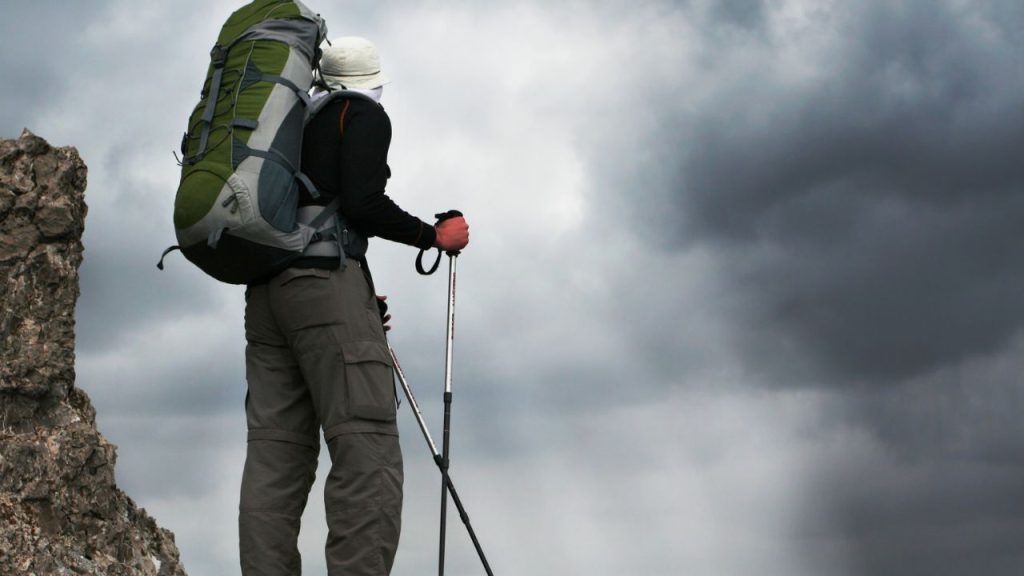
Brisbane summers rarely give you one problem at a time. A clear, pleasant start at 6am can turn into a 33 degree walk by 10 and a lightning storm by mid-afternoon. If you’re heading out for a hike or a day trip over the next few months, the packing list matters as much as the destination.
The Bureau of Meteorology says Queensland’s severe weather season runs from October to April, and its latest outlook sits against a backdrop of a strong El Niño and record warm global temperatures. For South East Queensland, that means planning for hot days and sudden storms every time you head out.
Table of Contents
Start early and plan to finish early
Sunrise is just before 5am around mid-summer, so the best hiking hours are the first ones. Aim to be on the trail by 6am and off it before the heat peaks around 11. Storms in the region tend to build in the afternoon and evening, so a morning finish usually dodges the worst of them too.
If you can only go in the afternoon, pick something short and shaded, and check the radar before you leave the car park.
What to pack for the heat
Brisbane humidity makes 30 degrees feel much hotter, because sweat doesn’t evaporate the way it does in dry heat. Pack for that.
- Water: plan on at least 500ml an hour, and carry more for anything over two hours. Fill a bottle and freeze it the night before if you can.
- Electrolytes: a sachet or tablets for longer walks. Water alone doesn’t replace what you lose.
- Sunscreen: SPF 50+, and reapply every two hours. UV regularly reaches the extreme range here in summer.
- Hat and sunglasses: a wide-brim hat beats a cap, especially for your neck.
- Clothing: light, loose, long-sleeved fabric that dries quickly. Cotton gets heavy once it’s wet.
- A cooling towel: wet it at a creek or tap and drape it over your neck.
- Snacks with salt in them: nuts, pretzels or a salty sandwich.
Know the signs of heat exhaustion: heavy sweating, headache, dizziness, nausea and cramps. If anyone in your group has them, stop, get into shade, sip water and cool them down. If someone is confused or stops sweating, call 000.
What to pack for storms
You don’t need a heavy kit, just a few things that keep you safe and dry.
- A light rain jacket that packs small. A cheap poncho works too.
- A dry bag or zip-lock bags for your phone, keys and wallet.
- A power bank, because wet weather and navigation apps drain a phone fast.
- A head torch, in case a storm slows you down and you end up walking out near dusk.
- A spare pair of socks in a sealed bag. Dry feet make a huge difference.
Storms around Brisbane can bring heavy rain, hail and a lot of lightning. If you hear thunder, get off ridgelines, summits and open ground straight away. Stay away from isolated trees. A shaded gully or a low spot under dense forest canopy is safer than a lookout, though not by much, so keep moving toward your car or shelter.
Check the sky and the radar
Download the BOM Weather app and check the radar before you go and again at your first rest stop. Look for the building cloud in the west, often over the Great Dividing Range, because that’s where many South East Queensland storms form before they roll east. Towering, dark-bottomed cloud with an anvil top is your cue to head back.
Warnings change quickly, so check the Queensland Government’s QFES updates as well.
Pick the right trail for the day
Not every walk suits every forecast. On hot, clear days choose shaded rainforest tracks, creek walks and spots where you can swim. Parts of D’Aguilar National Park, Mount Glorious and Mount Nebo stay cooler under the canopy, and Lamington National Park is worth the longer drive. Mount Coot-tha has plenty of shaded tracks close to the city for shorter outings.
Save exposed summits and ridgelines for cooler months or very early starts. Places like the Glass House Mountains and the higher sections of Mount Barney have little shade and nowhere to hide when a storm moves in. Check the Queensland Parks and Wildlife Service website for track closures before you go.
If it has rained heavily in the last day or two, expect slippery rock, muddy tracks and swollen creeks. Creek crossings that were ankle deep last week can be dangerous after a storm. The rule here is simple: if it’s flooded, forget it.
Snakes, ticks and other summer extras
Summer is when snakes are most active, and they like warm tracks. Stick to the path, watch where you put your feet and your hands, and give any snake plenty of room. In bushland, wear long socks or gaiters and check yourself for ticks afterward, especially behind knees, around the waistband and in your hair. Insect repellent helps with mosquitoes near creeks.
Day trips and the car
Heat is a risk even if you’re not hiking. Never leave children or pets in a parked car, even for a few minutes. Keep a cold box with extra water in the boot, and put a sunshade up if you park for a long walk. If you’re heading to a beach or a swimming hole, swim only at patrolled spots where you can, and be aware of stingers and bluebottles on bayside and ocean beaches this time of year.
A quick checklist before you leave
- Tell someone where you’re going and when you’ll be back.
- Check the BOM forecast and radar, and park closures.
- Pack more water than you think you’ll need.
- Carry a rain jacket and a dry bag for your phone.
- Bring a hat, sunscreen and salty snacks.
- Know your turnaround time and stick to it.
Brisbane’s summer is a great time to be outside if you pick your hours and your trail. Leave early, carry the right gear, and respect the sky. The track will still be there tomorrow.
Disclaimer: This article is general information only and isn’t professional, medical or emergency advice. Weather, track conditions and park closures can change quickly, so always check the latest forecasts and warnings from the Bureau of Meteorology, QFES and Queensland Parks and Wildlife Service before you head out. Outdoor activities carry risk, and you’re responsible for your own safety and decisions. In an emergency, call 000.